Glass Bottle Decoration Companies in Europe: Reading the Field
Search for glass bottle decoration companies and the results arrive looking interchangeable. A glassmaker in France. A decoration plant in Italy. A sleeve converter in Germany. A supplier of printable drinkware for corporate gifts. Same keywords, same promises — four different industries. If you are a brand or packaging team shortlisting suppliers for a decorated bottle, the first task is not comparing quotes. It is understanding which of those industries you are actually talking to.
One Search, Four Industries
The phrase "bottle decoration" covers at least four distinct supplier types, and each one exists for a good reason.
Glassmakers with decoration lines. The large European glass manufacturers produce the bottle and can decorate it before it ships. One purchase order, one logistics chain. This works well when the value of the pack sits primarily in a custom glass shape and the decoration is a supporting element — a logo, a fill line, a single accent.
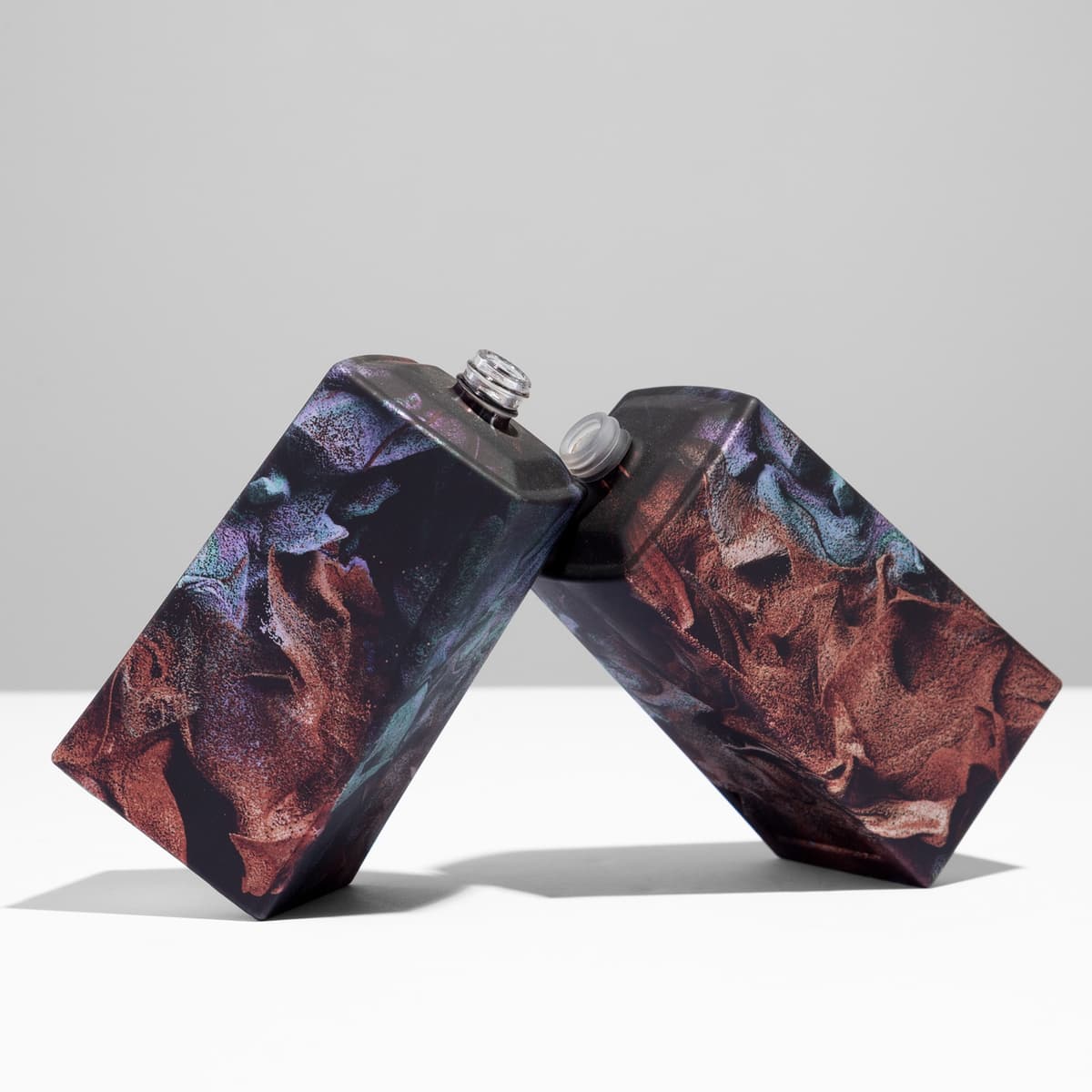
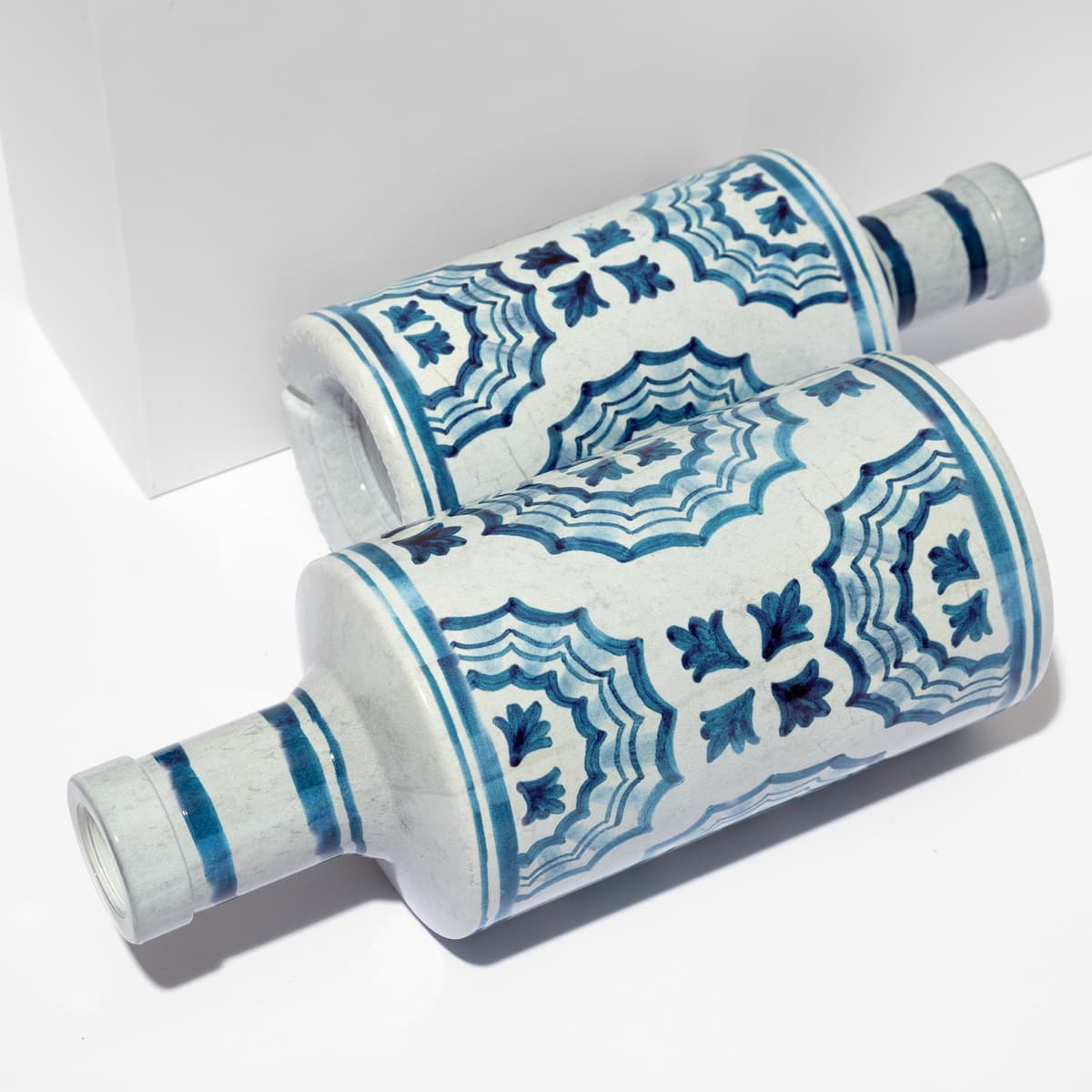
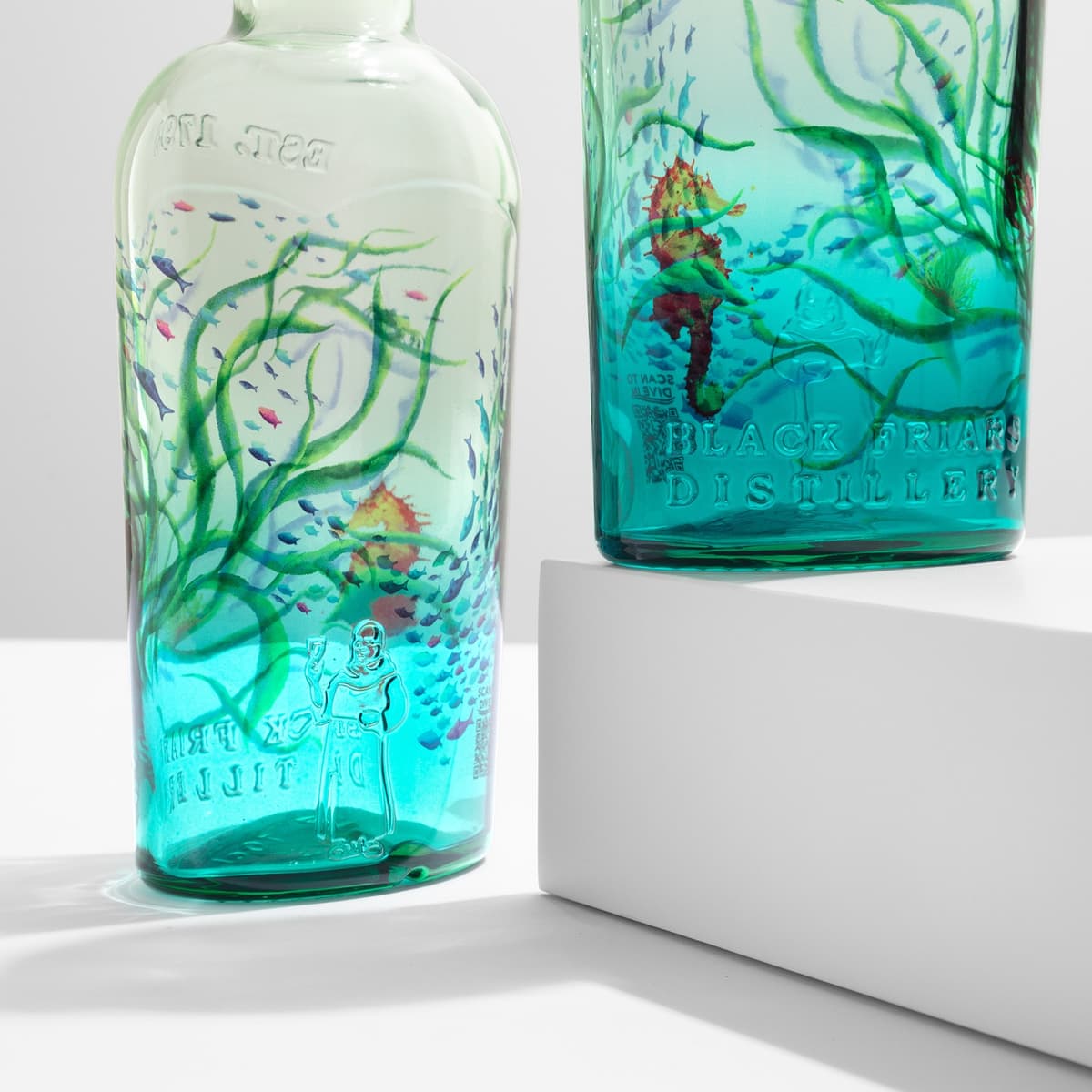
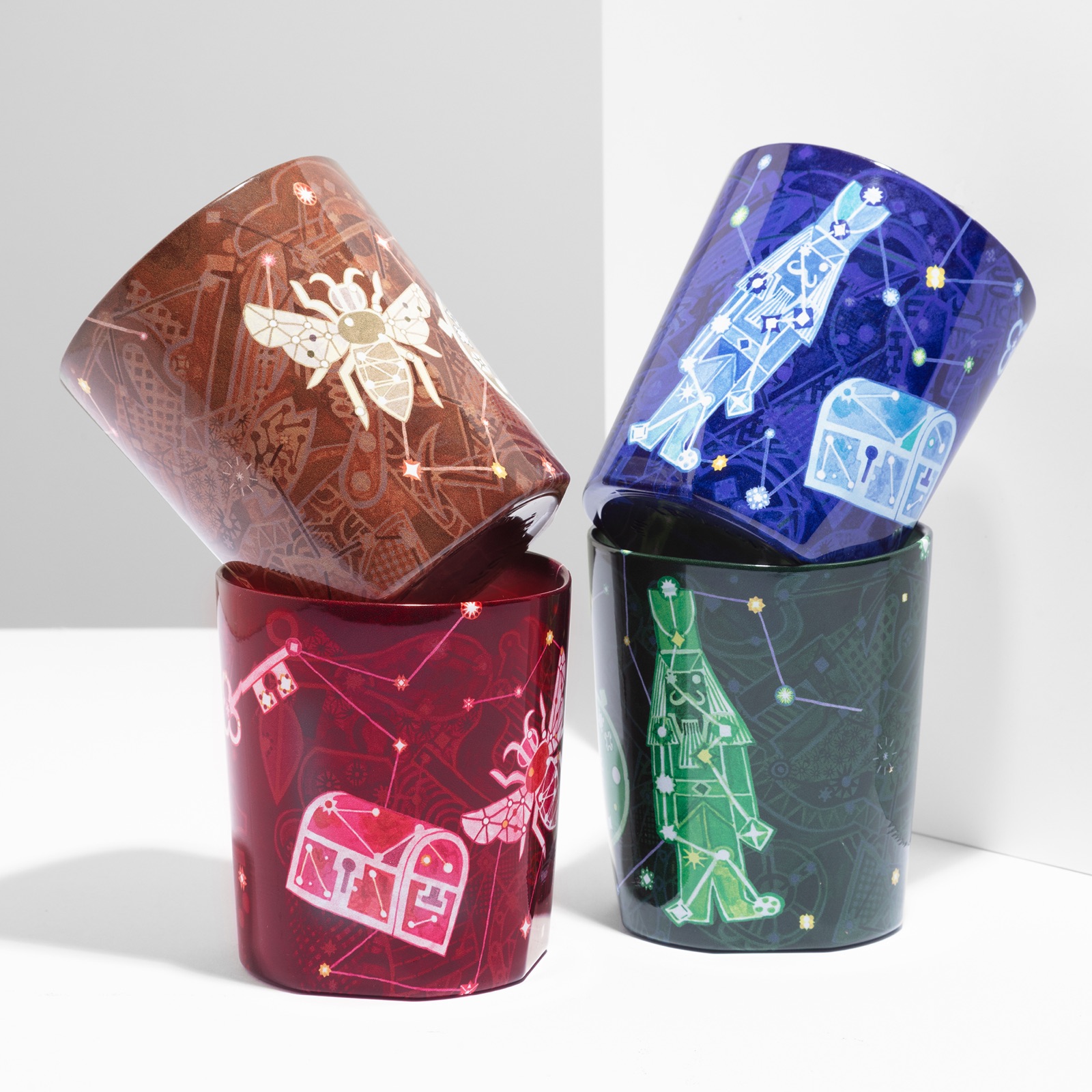
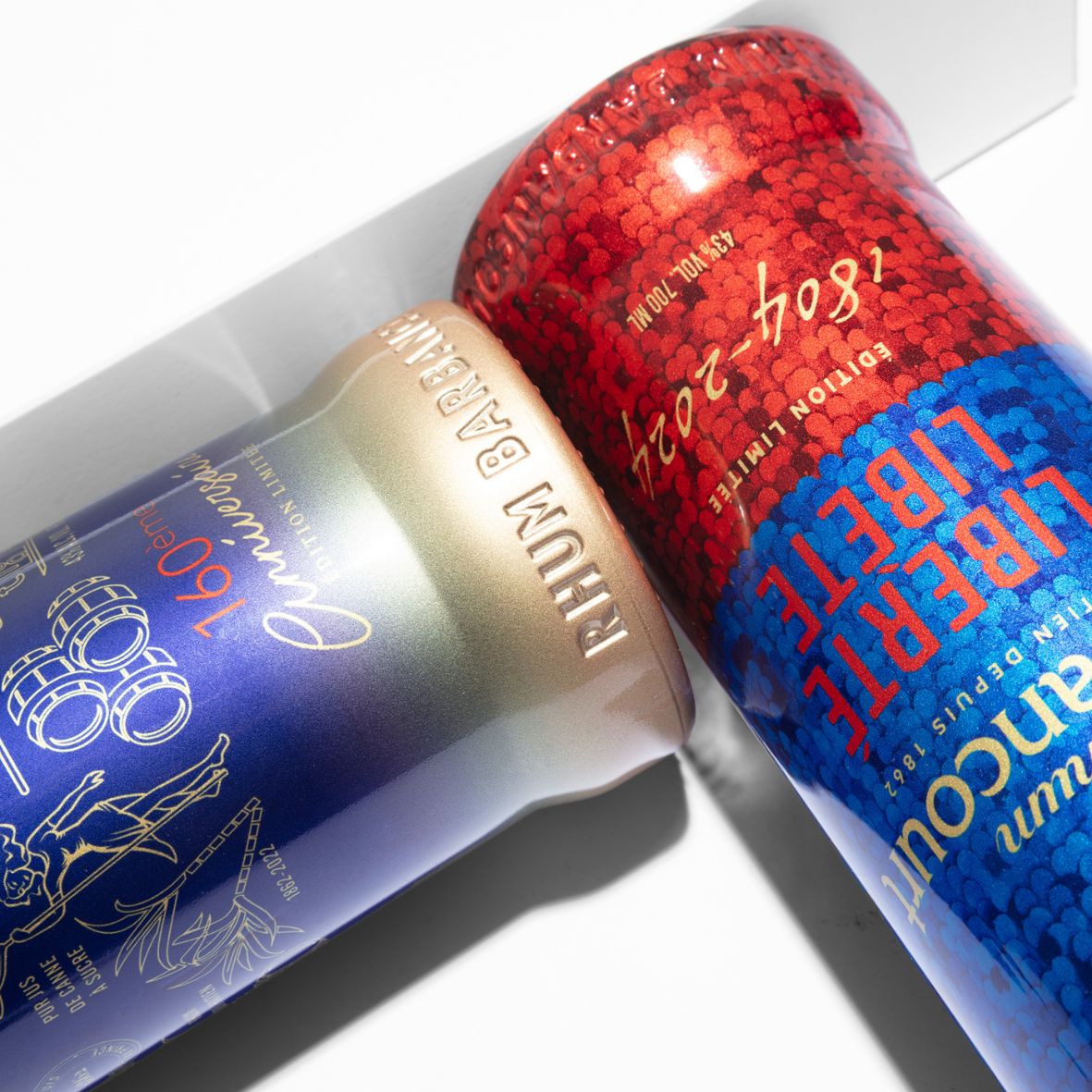
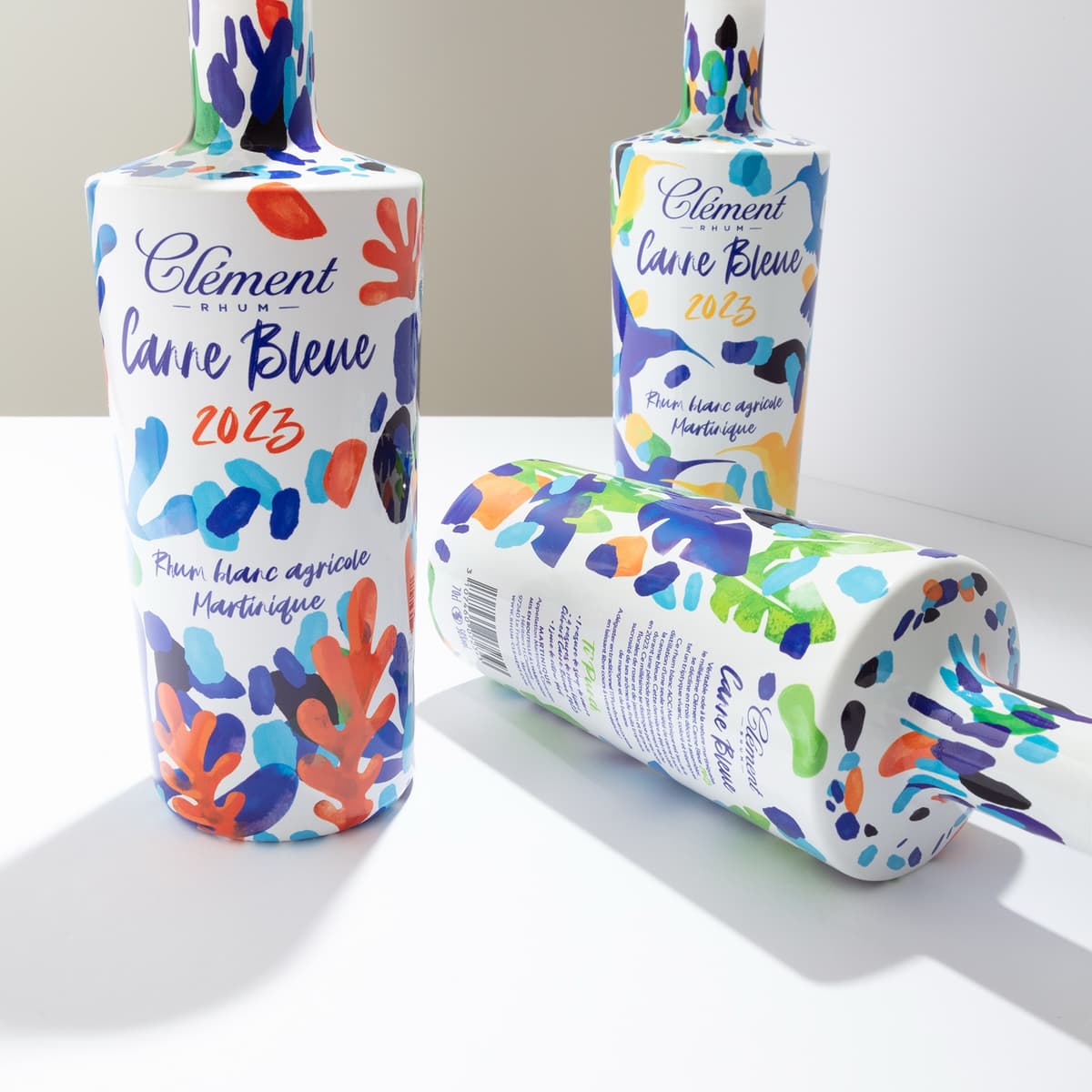
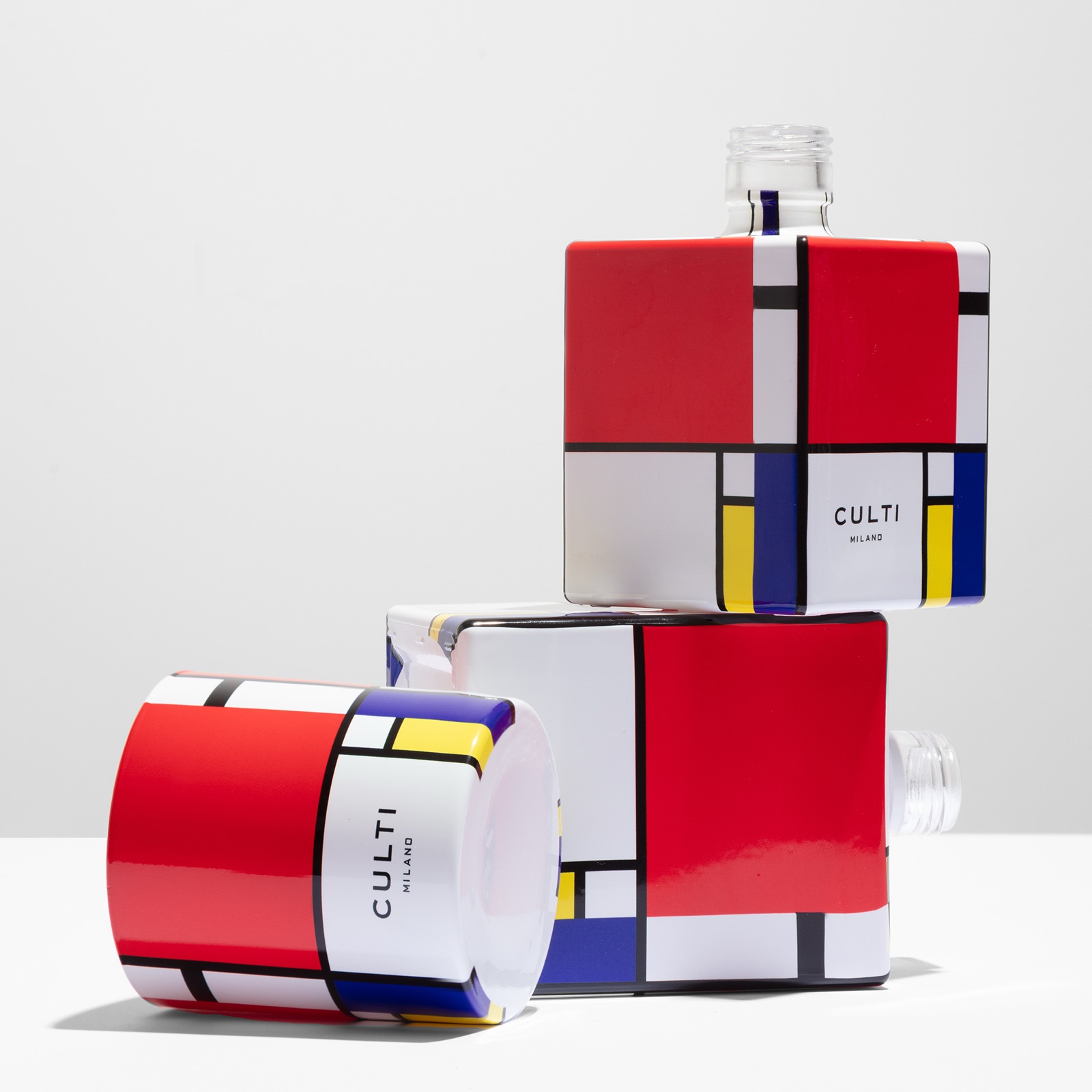
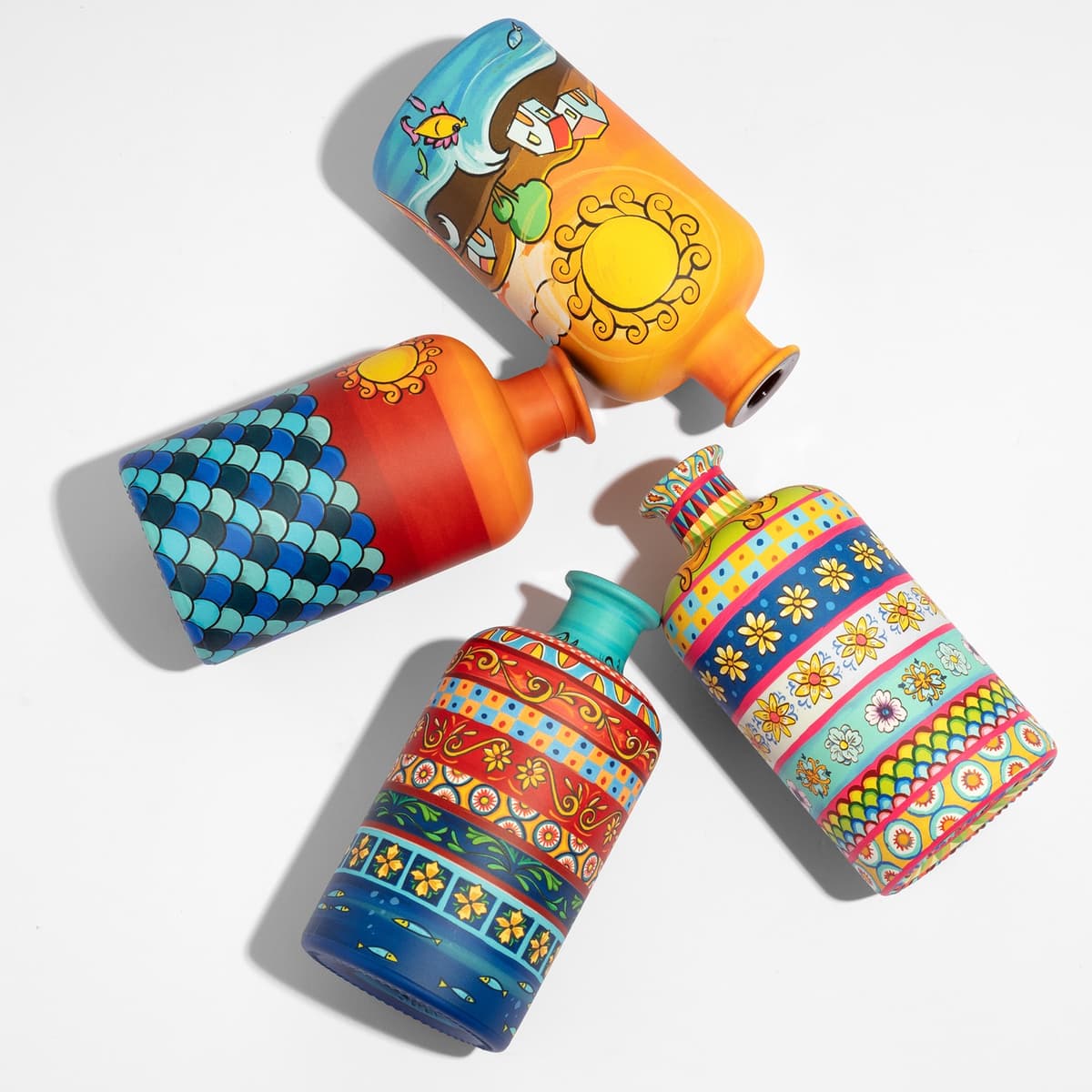
Independent decoration specialists. For these companies, decoration is not a service line beside a furnace — it is the entire business. They accept glass from any manufacturer and typically run a wider portfolio of techniques: sublimation, spraying and lacquering, screen printing, hot foil stamping, pad printing. This is the category to study when the decoration itself carries the design — full-surface artwork, graduated effects, editions that change while the bottle stays the same.
Label and sleeve converters. These suppliers print on a carrier that is then applied to the bottle. It is fast, economical at high volumes, and well suited to FMCG programmes where artwork rotates frequently and the label is an accepted part of the pack's language.
Promotional decorators. Personalised stock drinkware, small runs, quick turnaround. A legitimate market — and a completely different one. If a search result shows mugs and water bottles beside your query, this is who you have found.
Which Category Fits Your Project
Three questions sort the field quickly. Is the bottle custom or stock? A custom mould usually starts the conversation at a glassmaker; a stock or existing bottle opens the whole field. Is the decoration the identity of the pack, or its supporting detail? When artwork defines the product — the case for most premium spirits and perfumery launches — the depth of an independent specialist matters more than the convenience of a single supplier. And what does the volume curve look like? A programme that moves from a 5,000-piece pilot to millions of units needs a partner whose process scales without re-tooling per design, a distinction explained in our comparison of sublimation and screen printing on glass.
Four Questions That Structure the Shortlist
Who owns the glass? An independent decorator working with the leading European glassmakers lets you choose the bottle on merit and the decoration on merit — separately. Ask each candidate which glass sources they routinely process.
Which technique matches the ambition? Full-canvas HD artwork, 360-degree coverage and unlimited colour point to sublimation; solid colour fields and opacity point to coating and lacquering; metallic accents to hot foil. A serious partner will tell you which technique your artwork actually needs — including when it is not theirs.
Can they sample on the production line? A sample from a lab machine is a rendering in glass form. Insist on production-line samples, and ask how long they take.
Will the paperwork survive procurement? ISO 9001, EcoVadis rating, CO₂ reporting, colour-tolerance standards, abrasion and compatibility testing. Groups such as Pernod Ricard and LVMH ask for this documentation at qualification stage, not after. So should you.
Where ATIU Sits on This Map
ATIU is in the second category: an independent decoration specialist, with two production plants in Verona, Italy, serving brands across Europe, the UK and the United States. The core technology is 360° sublimation — HD artwork up to 1200 dpi across the full surface of the bottle — alongside lacquering, coating, hot foil, screen and pad printing on glass, aluminium, zamac and ceramic. Capacity is 30 million pieces a year per plant; programmes run from limited editions to spirits projects of millions of bottles on the same lines. A decorated production sample takes five working days. Carbon footprint measured on Scope 1, 2 and 3 since 2023 (Up2You), ISO 9001, EcoVadis Committed, Pentawards Gold 2025 for Sustainability.
The search results will keep looking interchangeable. Your shortlist does not have to. Once you know which category you need, the next step is evaluating the companies inside it — our glass decoration partner checklist covers exactly that.
Start with a sample — send us your bottle or your idea, and see it decorated in five working days.