How to Choose and Brief a Glass Decoration Partner
Choosing who decorates your glass is one of the quietest yet most consequential decisions in a premium packaging programme. The glass itself is the commodity; almost any manufacturer can supply a competent flacon or a well-formed spirits bottle. The decoration is where the object becomes a brand — where colour, finish, tactility and detail turn a container into something a customer wants to pick up, keep and photograph. This guide brings together the two halves of getting that decision right: how to evaluate and choose a decoration partner, and how to brief one so that the vision you approved in a PDF survives contact with a production line. Read the first half before you shortlist suppliers, and the second before you send your first project. The two are connected: the same rigour that helps you choose a serious partner also determines how productive your brief will be, because a mature decorator asks for exactly the information a good brief already contains.
Why the decorator matters more than the glass
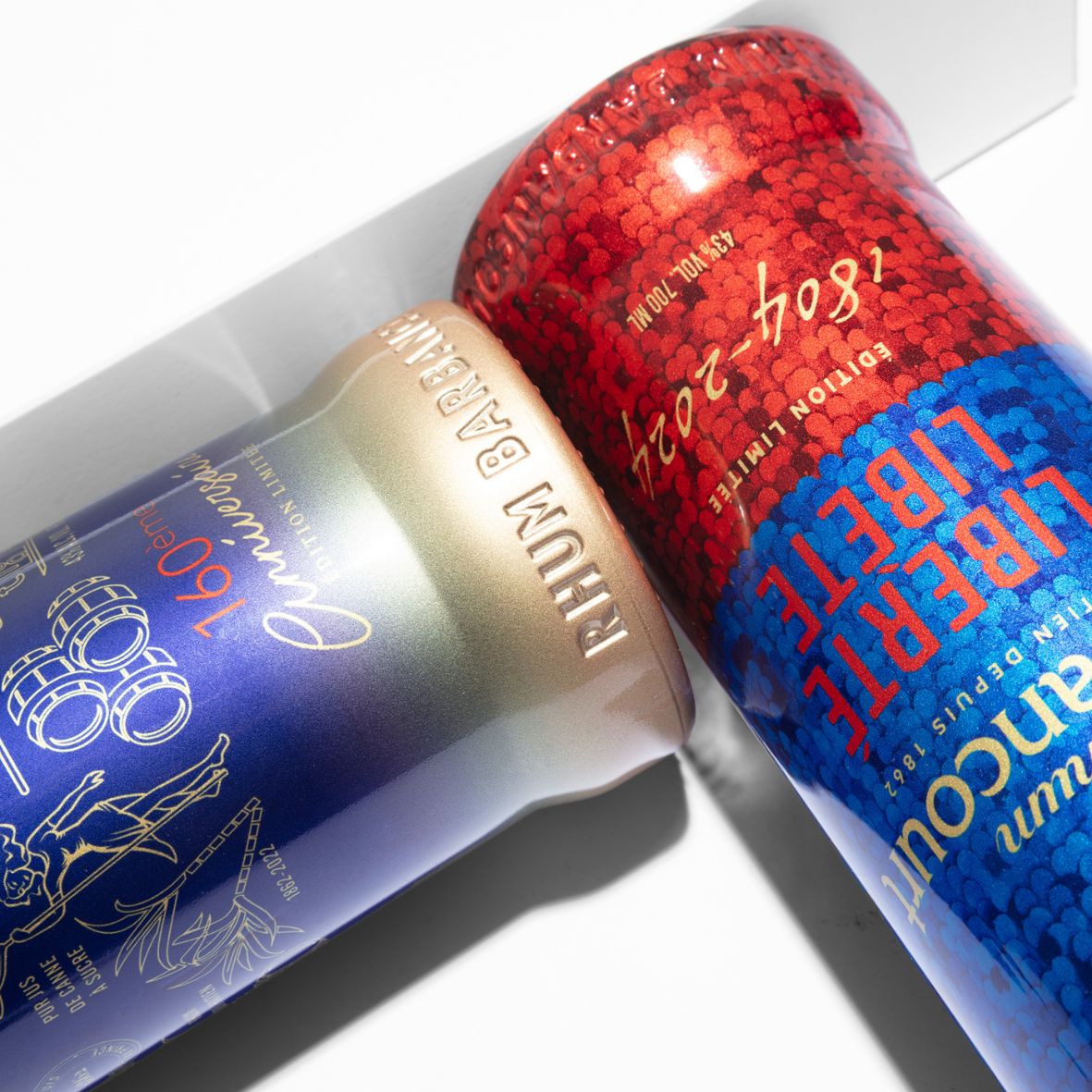
Most glass decorators can print on a cylinder. Hand them a straight-walled bottle, a flat label area and a simple one-colour design, and the result will be perfectly acceptable. That is the baseline of the industry, and it is not the thing that separates one supplier from another. The decision that actually matters is what happens when the brief gets difficult: complex flacons with concave shoulders, recessed panels, caps in zamac or aluminium that need to match the bottle, and graduated primer effects that shift from transparent to opaque across a single surface. Those are the situations where the difference between a competent vendor and a genuine partner becomes visible, and they are the situations premium brands find themselves in most often.
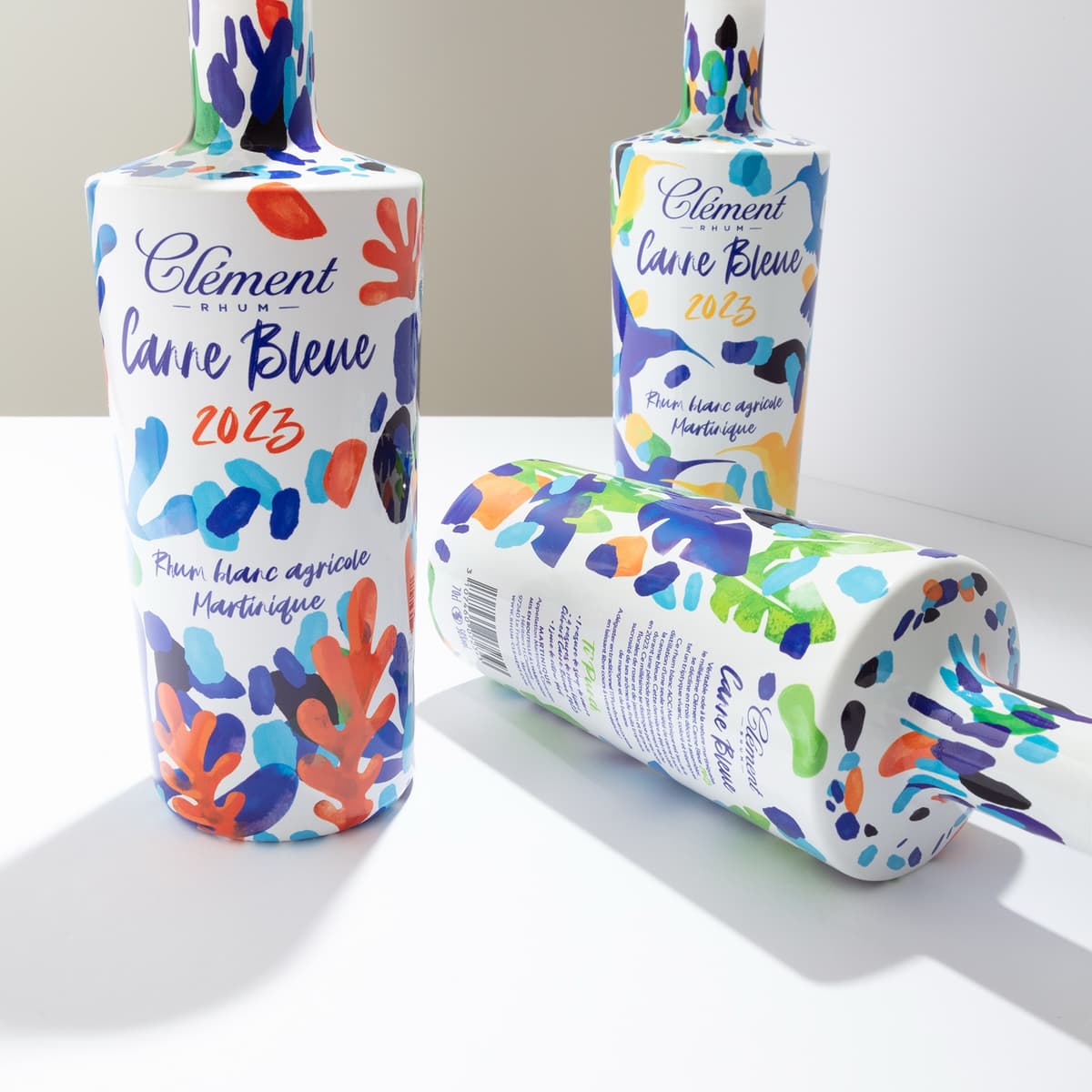
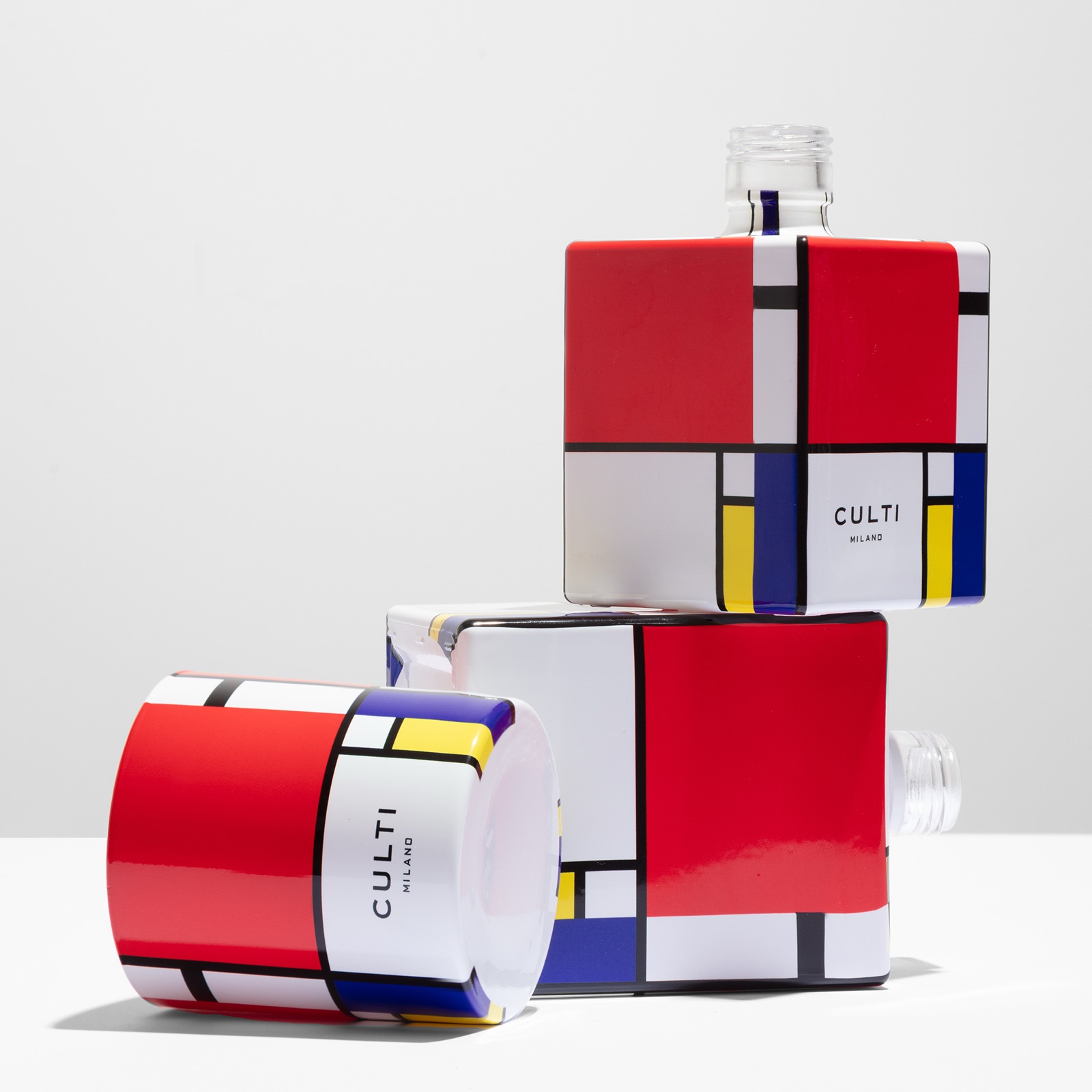
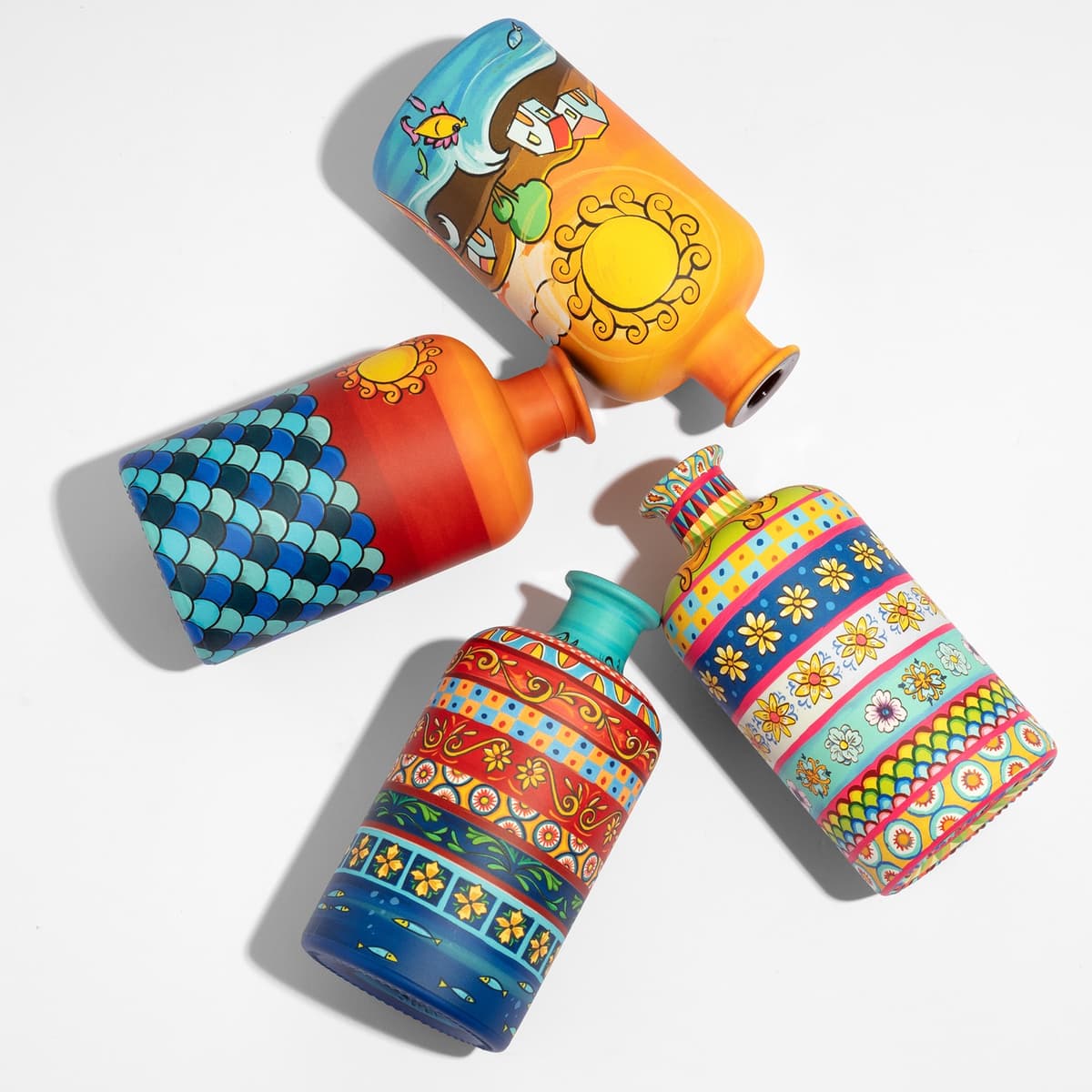
The decoration is where the premiumisation happens. A brand can invest months in a distinctive silhouette and a considered artwork, but if the finish on the shelf falls short of the render, the entire proposition is undermined at the last step. Sublimation makes it possible to apply photographic detail at up to 1200 dpi, wrap decoration a full 360 degrees around complex forms, and cure at low temperature so the component is not thermally stressed. But the technology only delivers when the partner running it has the primer library, the geometry experience and the operational discipline to execute at both boutique and industrial volumes. Choosing well means the finished product exceeds expectations; choosing poorly means months spent managing compromises you never intended to make.
Seven things to verify before you commit
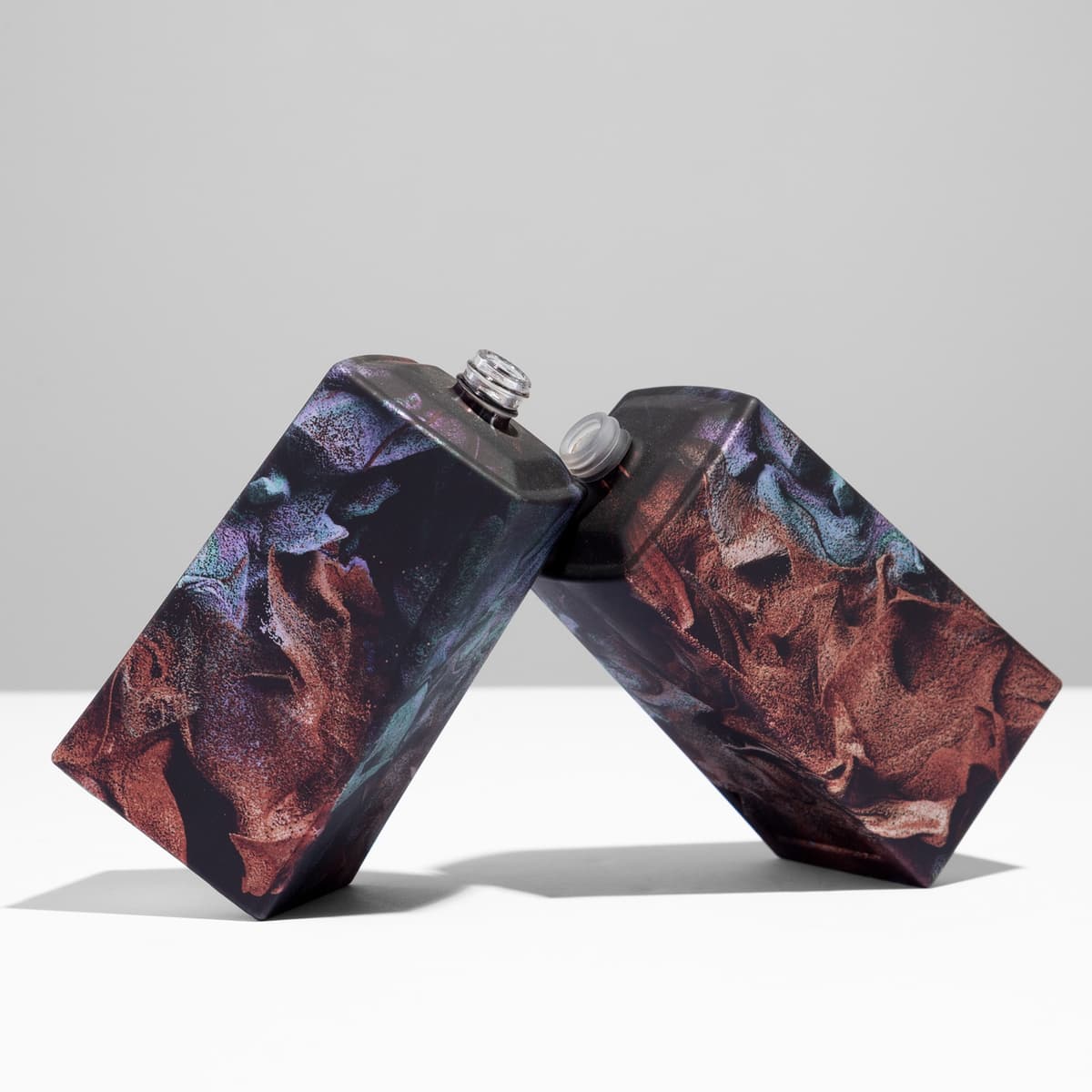
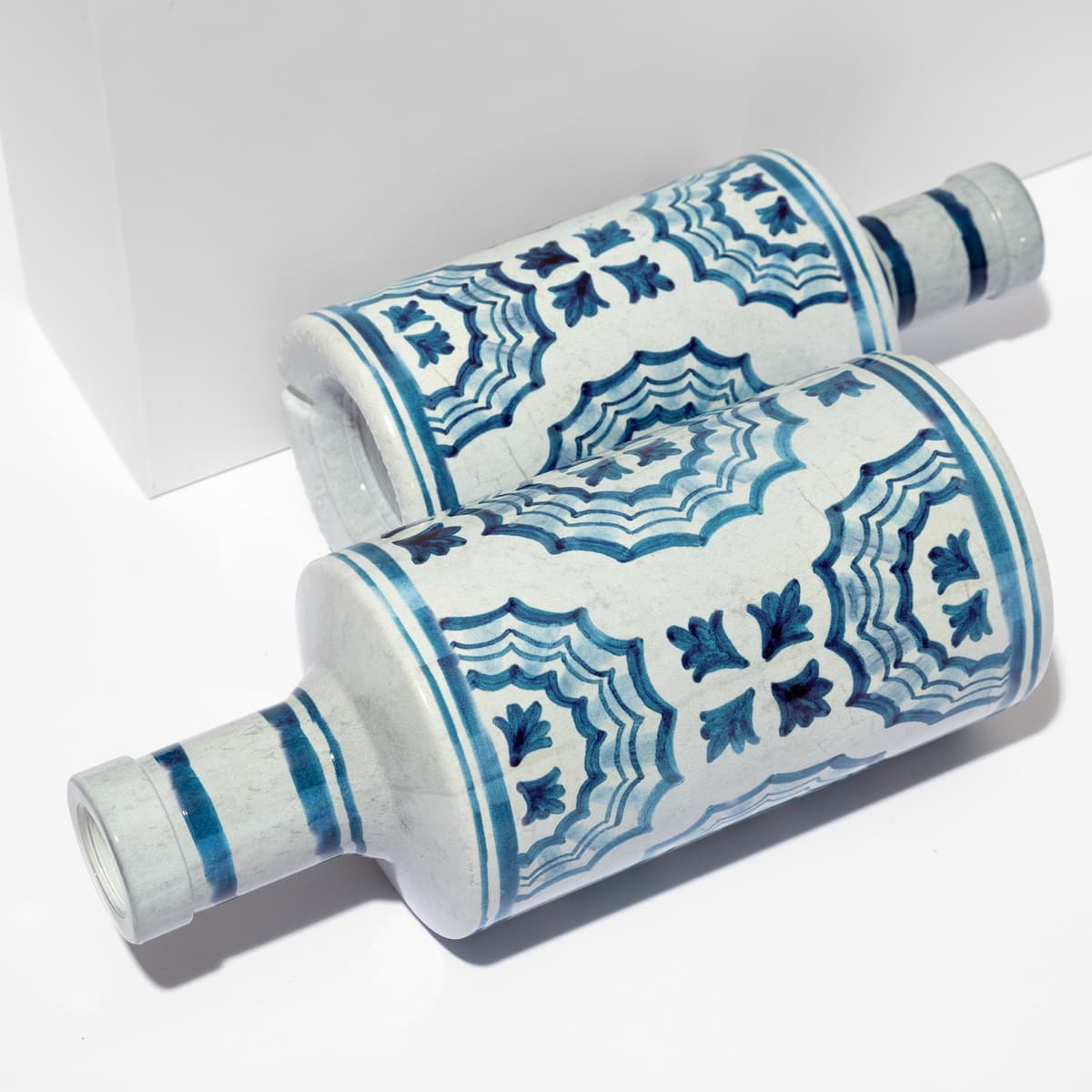
First, substrate range. Premium packaging is rarely a single material. A perfume flacon may be glass, its cap zamac, its travel case aluminium. If one partner can decorate glass, aluminium, zamac and ceramic on the same line, you eliminate colour-matching risk across materials and collapse several supply chains into one. Second, geometry capability. Anyone can print on a cylinder — ask for samples on angular shoulders, recessed areas and tapered necks, and evaluate the most challenging piece in their portfolio against your own range; the Bvlgari edition with Refik Anadol, where the artwork continues seamlessly from the glass onto the zamac cap, is a useful benchmark for what geometry mastery looks like in practice. Third, the primer system. Inks bond with the primer, not the glass, so opacity, tactile finish, metallic and ceramic-look effects all depend on primer formulation. Ask how many base primers they offer (a serious decorator works from several — ATIU builds on eight), whether they can combine them, and whether they can graduate opacity across one surface.
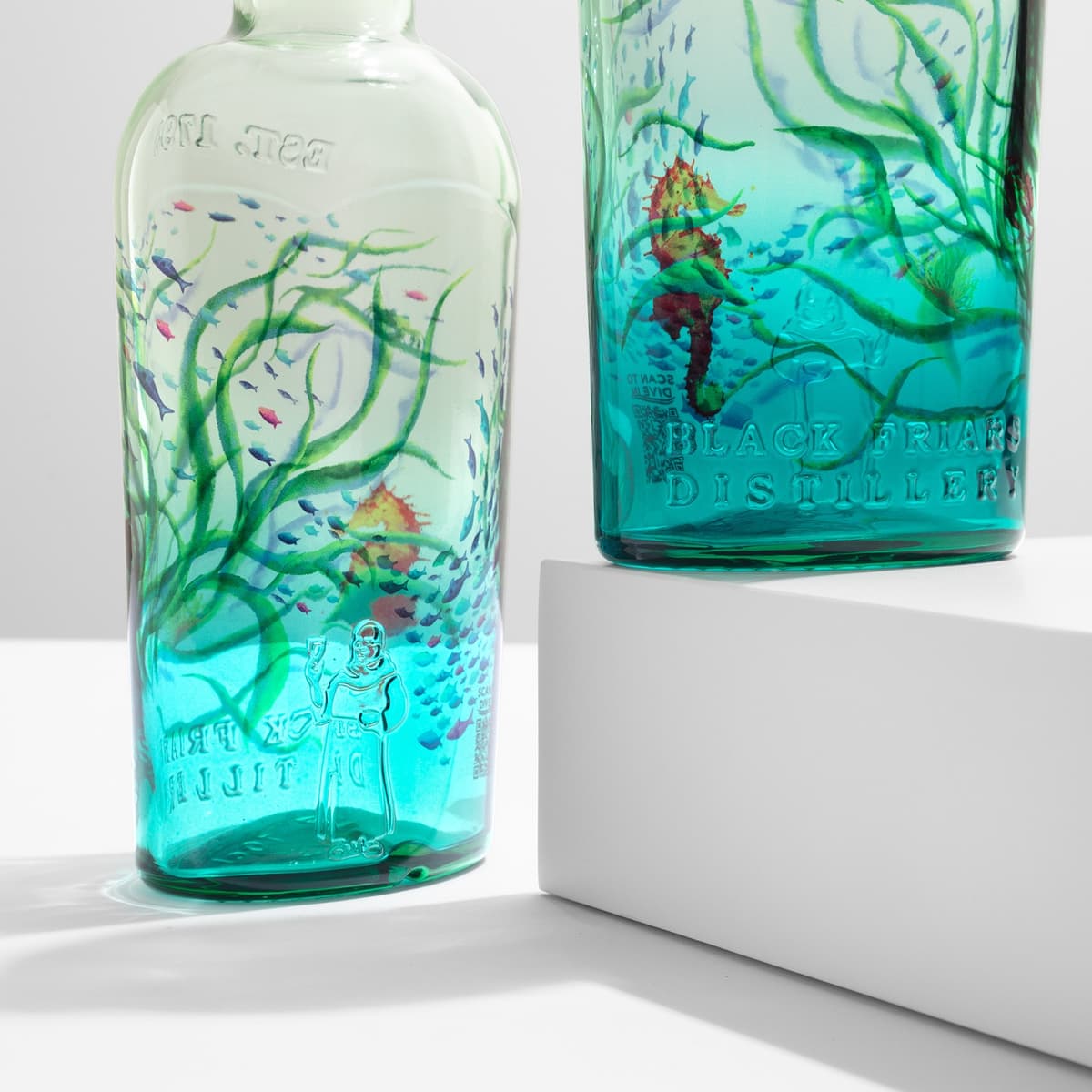
Fourth, prototype fidelity. Does the sample run on the same production line as the full order, or on a lab machine that behaves differently? Insist on production-line samples, because that is the only version that will actually ship. Fifth, volume flexibility. Ask for references at both ends of the spectrum: a serious sublimation partner can run a 5,000-piece limited edition — as Plymouth Gin did for its ocean conservation release — and an annual programme reaching millions of units on the same base bottle, with multiple SKUs in a single run and no tooling change per design; as a point of scale, ATIU's total capacity is 30 million pieces a year per plant. Sixth, sustainability credentials. ISO 9001 confirms a quality system exists but says nothing about environmental performance — ask about EcoVadis rating, Scope 1, 2 and 3 CO₂ reporting, ink composition and whether they publish an ESG position. Procurement teams at groups like Pernod Ricard and LVMH increasingly require this documentation at qualification stage; ATIU has measured its carbon footprint across Scope 1, 2 and 3 since 2023 (Up2You). Seventh, technical support: the best partners review artwork for printability, recommend primer combinations for specific effects, and tell you honestly when something will not work before it reaches the line.
The questions most brands forget to ask
Beyond the seven fundamentals, a handful of questions separate experienced buyers from first-time ones, and the answers reveal how a partner behaves under real conditions. Ask what happens if colour shifts between batches: every decoration method has tolerances, and the meaningful question is whether the partner has a documented process for managing drift across runs and whether they will show you the data behind it. Ask to see the primer on glass before committing to artwork, because a swatch on a flat sample is not the same as a primer applied to your specific bottle geometry. Ask for their reject rate — credible partners share the number, and evasive answers are themselves a signal.
Ask whether they offer agency onboarding. If your design studio has never prepared files for sublimation, the decoration partner should be willing to brief them directly, because file preparation quality determines output quality more than almost any other single factor. A partner who invests time upfront, before a single component is decorated, saves everyone weeks downstream. These questions are not adversarial; they are simply how you distinguish a supplier who takes orders from a partner who takes responsibility for the outcome on the shelf.
Briefing well: the component and the artwork
Once you have chosen a partner, a clear brief is what turns capability into a fast, accurate quote and a realistic schedule. Start with the component. Specify the substrate — glass, aluminium, zamac or ceramic — and provide the supplier name and article reference. If you are decorating glass from Saverglass, Heinz-Glas, Verescence, Bormioli Luigi, Stoelzle, Vetreria Etrusca or another manufacturer, include the catalogue number and, wherever possible, a technical drawing. Dimensions matter: height, diameter, weight and wall thickness all inform feasibility. For perfume bottles and flacons, state whether a cap is included and whether it needs decoration too. If you have not yet selected a component, say so — a good partner can advise on which shapes best carry your design intent.
For the artwork, supply a high-resolution file in CMYK colour space, ideally at 1200 dpi (300 dpi is the workable minimum), as PDF, TIFF or AI. Include bleed areas if the design wraps to the base or neck, since sublimation can decorate a full 360 degrees. Provide Pantone references for target matching, remembering that sublimation reproduces colour through calibrated CMYK rather than mixed spot inks, so a reference is a target rather than a guarantee of an exact match. If the design is not final, share the concept anyway — even a rough sketch lets the partner assess feasibility and flag production issues while they are still cheap to fix rather than after artwork development is complete.
Briefing well: finish, volumes, timeline and quality
The primer defines the tactile and visual character of the piece, so name the finish you are aiming for: glossy for vivid, reflective colour; matte for a soft, premium hand-feel; soft-touch for a velvety, high-perceived-value texture; or ceramic-effect for a warm, fired appearance. If you are unsure, request primer samples on your actual substrate rather than deciding from a screen. Flag any additional finishing in the same breath, because each process affects cost and lead time — hot stamping with metallic foils, selective varnish over raised areas, or UV protective coating for products that will sit in sunlight. The earlier these are on the table, the more accurately the partner can plan.
State your quantities and your timeline plainly. Give the total order volume and indicate whether it is a one-off run, a recurring order or a phased release; for ongoing production, an annual forecast helps the partner plan capacity. Because sublimation carries no screen setup cost, short runs from a minimum of around 5,000 pieces are economically viable, while the same methodology scales to industrial programmes at up to 4,000 pieces an hour. Work your timeline backwards from launch, leaving room for logistics, filling and secondary packaging, and say so upfront if the schedule is tight — feasibility is far better discussed at brief stage than discovered mid-production. Finally, note any project-specific quality requirements: resistance to alcohol, abrasion or UV, food-contact compliance for spirits and olive oil, or regulatory needs in your target market. ATIU is ISO 9001 certified, so a quality system is already in place, but the requirements unique to your product still belong in the brief.
What a first project looks like
A well-run first engagement follows a straightforward sequence, and knowing the shape of it helps you plan around your own launch calendar. You send a brief covering component, geometry, desired finish and volume range. The partner confirms feasibility and recommends a primer system. A physical sample is produced on the production line — not a lab machine — typically within five working days of the component arriving, so what you approve is what ships. You review it on your actual bottle, sign off, and production begins. Because sublimation carries no screen setup or tooling cost, there is no pressure to commit to large volumes before you have validated the design or the market, which is exactly what makes it suited to both limited editions and long-running programmes.
ATIU operates two production plants in Verona, Italy, decorating glass supplied by Europe's leading manufacturers, and serves groups such as Pernod Ricard and LVMH across perfumery, spirits, olive oil and home fragrance. The proprietary sublimation methodology behind that work was awarded Pentawards Gold in 2025 for sustainability. If you are ready to move from evaluation to a real component, the fastest way to test everything in this guide is to send a brief and get in touch on your own bottle — the finished piece will tell you more than any specification sheet.
See how sublimation on glass works, or send a brief and get in touch.