When Gin Meets Fashion
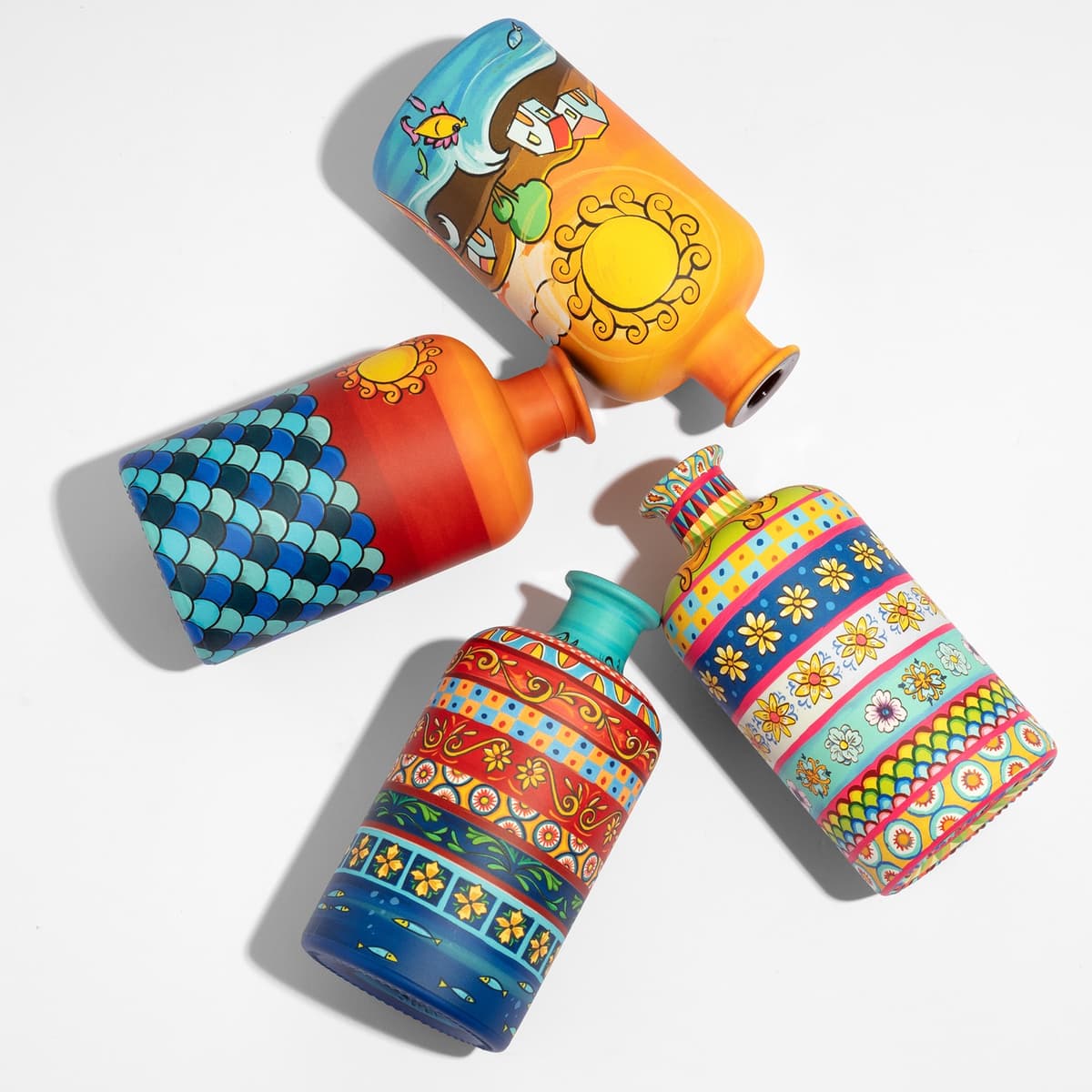
Sublimation is not new. It is one of the most widely used printing technologies in the textile industry — the process behind leopard prints, silk patterns, toile de Jouy, stripes, houndstooth, polka dots and Vichy checks. For decades, fashion has relied on sublimation to transfer complex, full-colour artwork onto fabric at industrial scale. With ATIU, the same technology now works on glass.
From Fabric to Glass
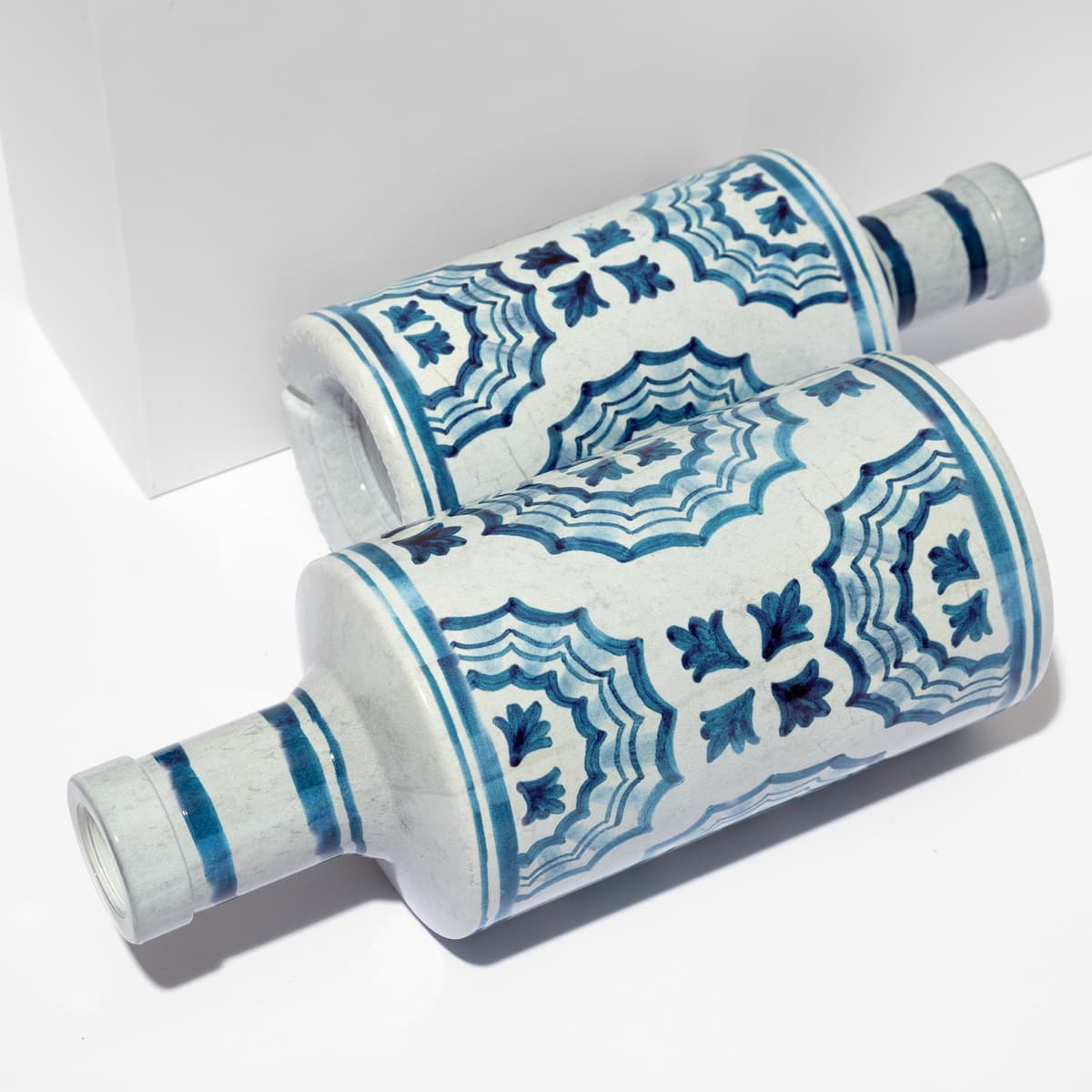
The principle is identical: ink sublimates under heat and bonds permanently with the substrate. On fabric, the substrate is polyester. On a bottle, it is a primed glass surface. The resolution is the same. The colour fidelity is the same. The design freedom is the same. What changes is the object — and the possibilities it opens for brands that think in patterns, textures and seasonal visual identities.
Perfumery Got There First
The first to embrace this crossover were perfume brands. Fashion houses with fragrance lines saw the opportunity immediately: limited-edition flacons dressed in the same prints shown on the runway. A leopard print from the autumn collection. A floral from the resort line. A geometric from the capsule. Sublimation made it possible to launch these editions every season, without plates, without screens, without the economics of traditional decoration standing in the way.
Spirits Followed
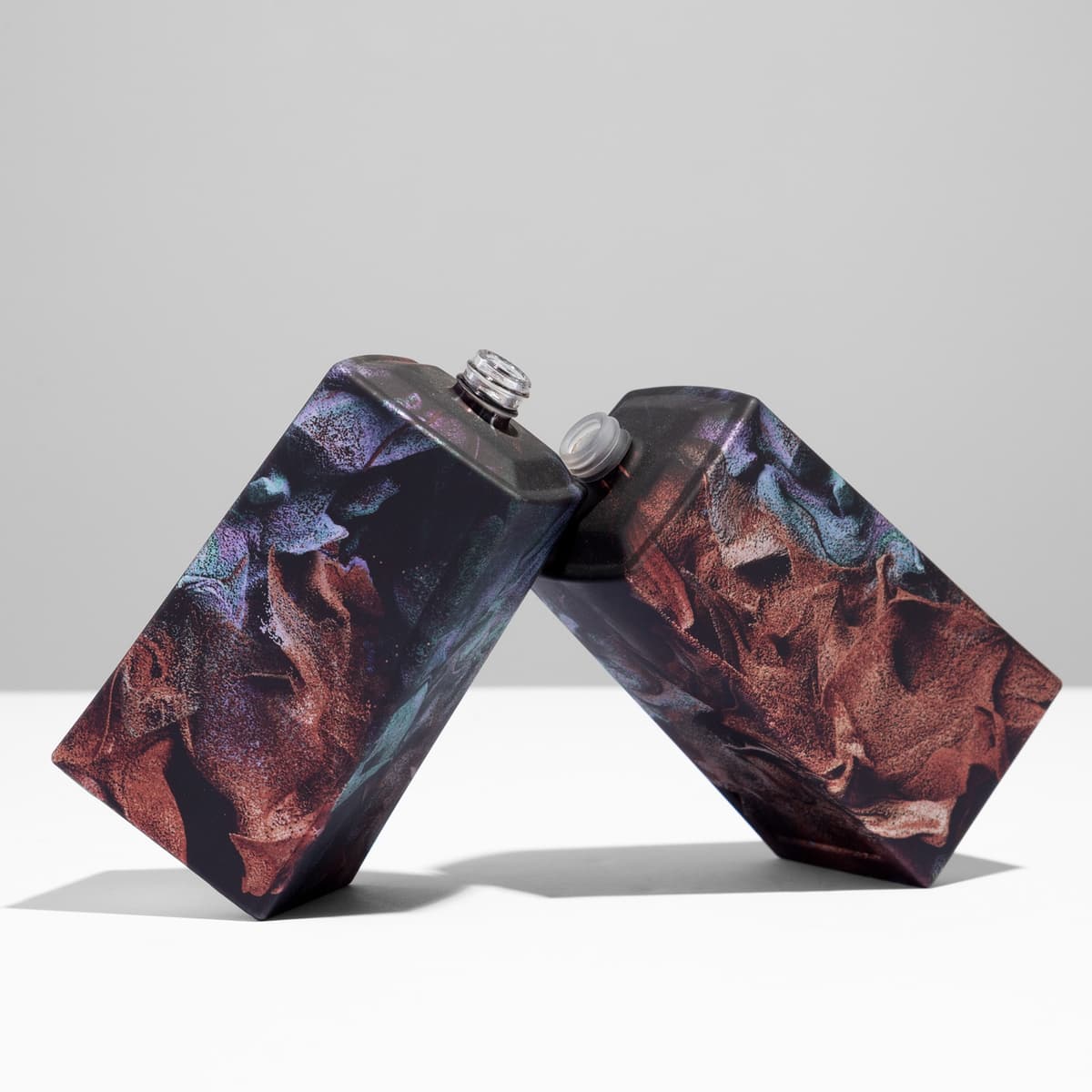
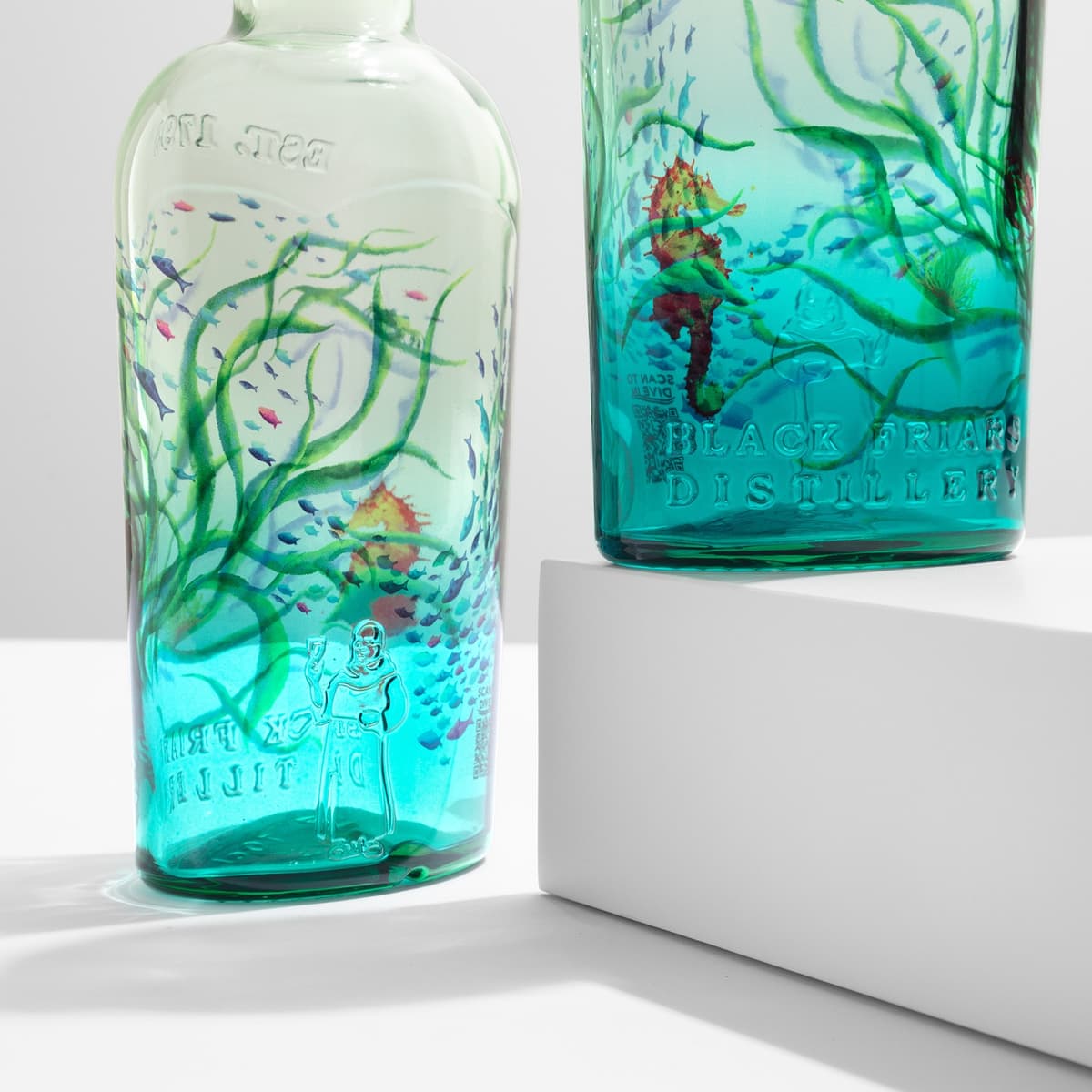
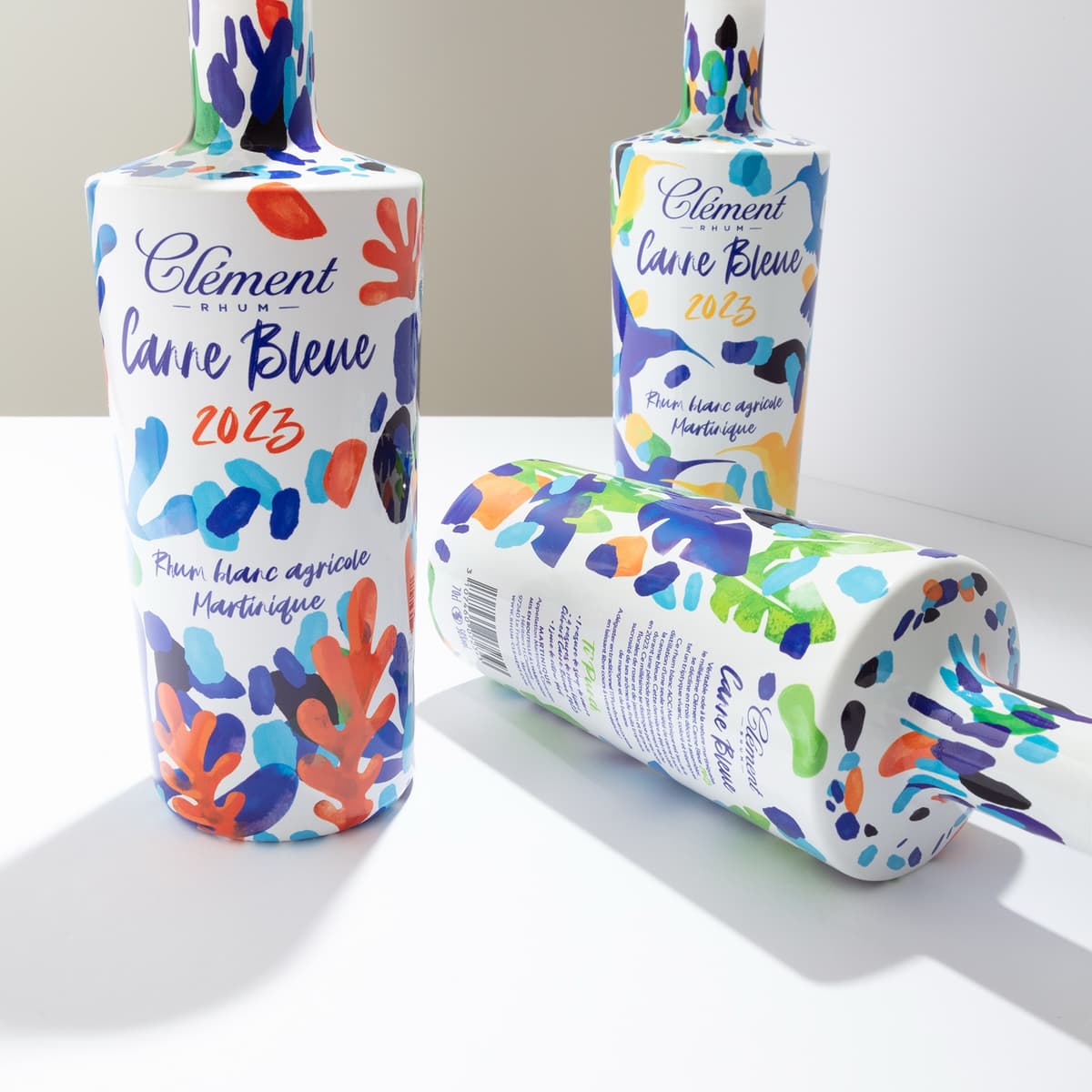
Then came the spirits world — with designer collaborations that turned bottles into collectibles. Harris Reed's fluid shapes. Missoni's iconic zigzag. Jack Irving's surrealist constructions. These partnerships work because sublimation reproduces the designer's artwork at HD quality, 360 degrees around the bottle, with no simplification and no compromise. The bottle becomes wearable art — except you drink it.
Why It Works Commercially
Limited editions must feel limited. Runs in the thousands create scarcity. Sublimation requires no printing plates, so there is no setup investment to recover before the run becomes viable. A collaboration can move from approved artwork to decorated bottles in weeks — fast enough to match the rhythm of fashion seasons. And because the cost of a design change is essentially zero, brands can refresh every drop without rethinking the production line.
ATIU produces these editions from two plants in Verona, decorating glass from Saverglass, Stoelzle and other leading glassmakers. Zero-net CO₂ since 2023 — an important detail in co-branded communications with sustainability-conscious fashion partners.
Learn more about our sublimation technology or request a sample.